Through color and geometry, Nath Zoul transforms our perception of planes, volumes, and spaces, inviting us to question what we see.








©2025
Selected Works
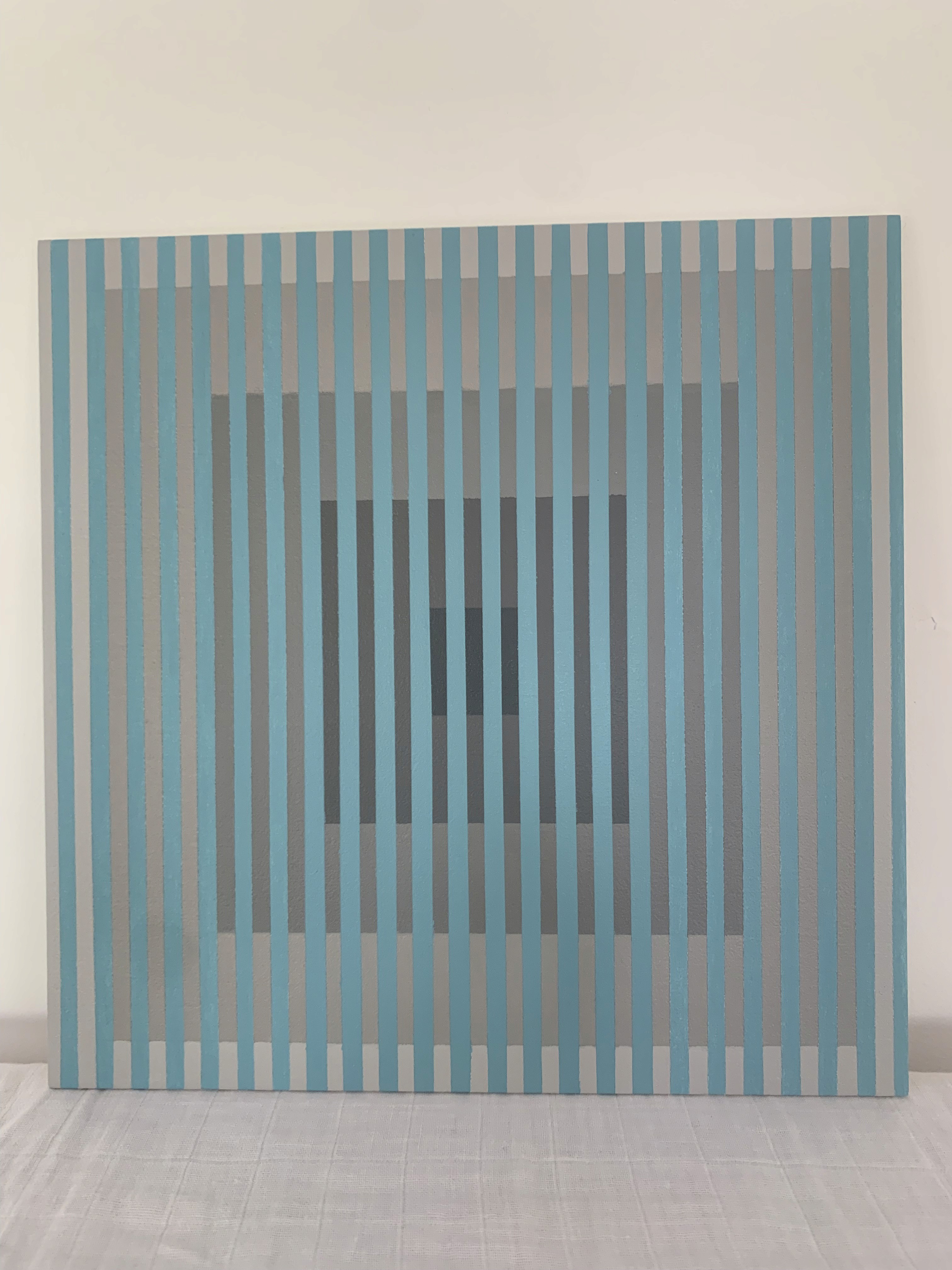
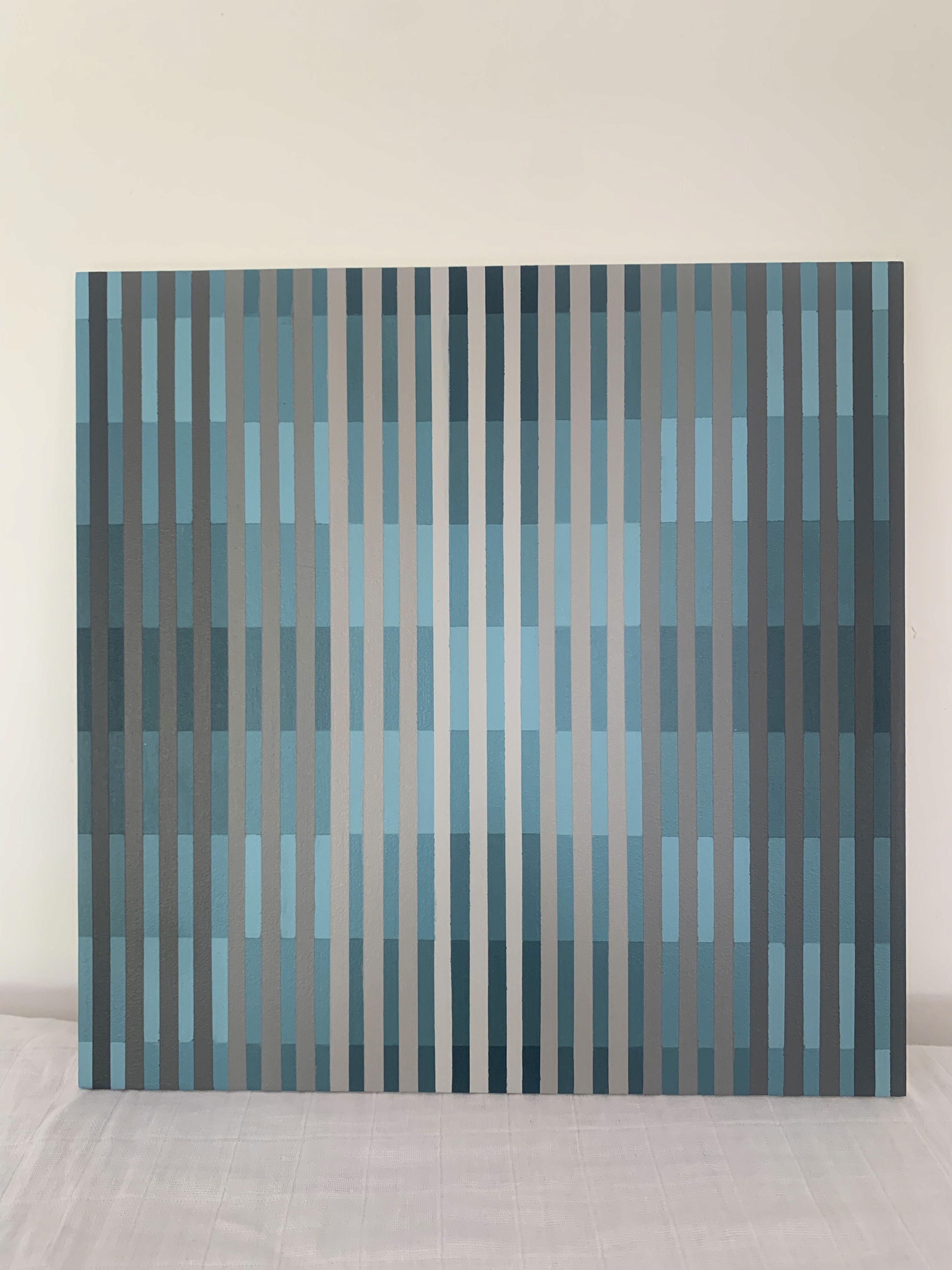
Paintings built around waves, grids, overlapping squares, and geometric rhythms.
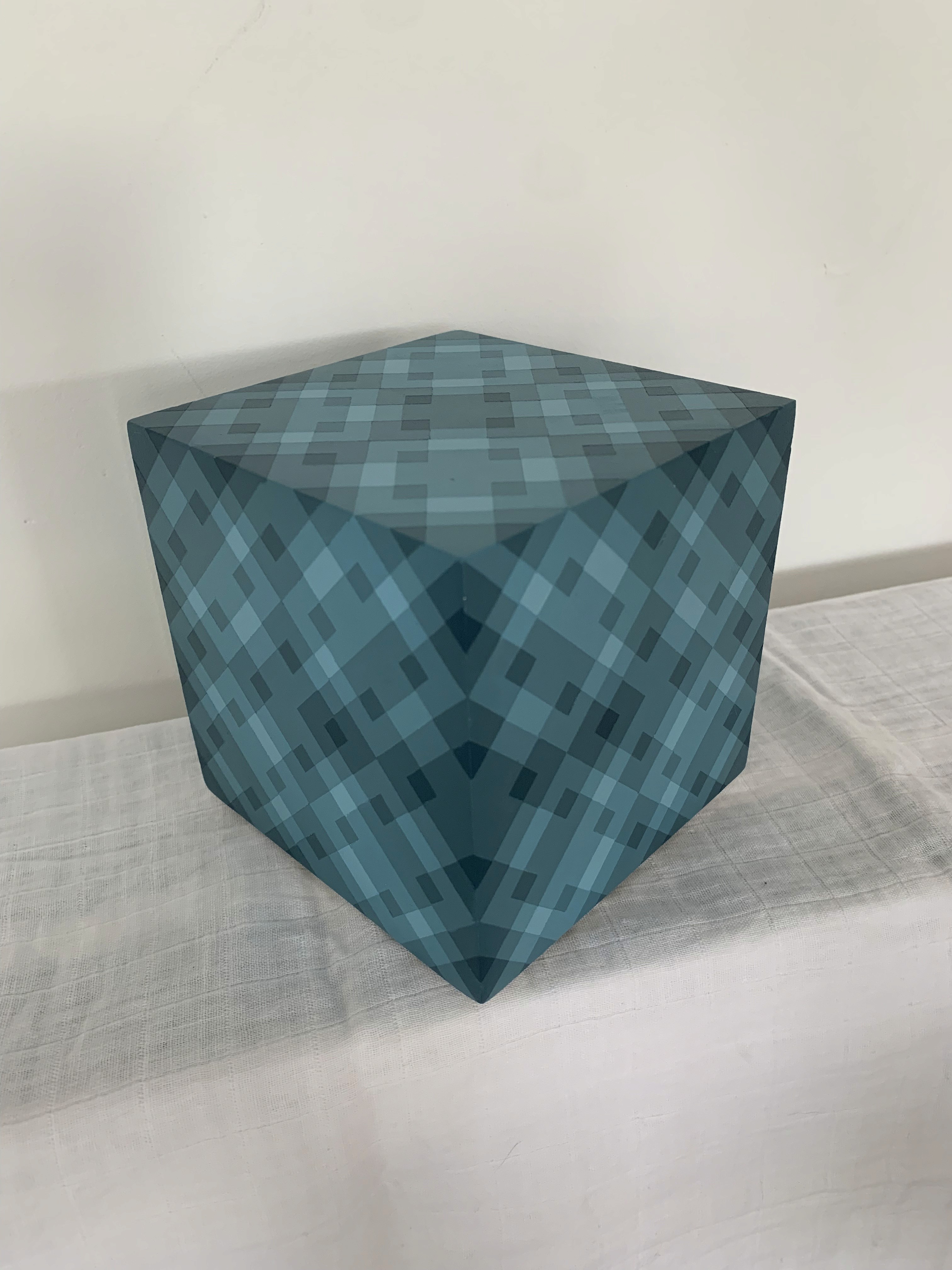
Painted cubes and open structures in which color, material, voids, light, and shadows transform the perception of volume and the reading of its different faces.

Geometrized portraits, portraits in a classical style, and more intimate figurative works.

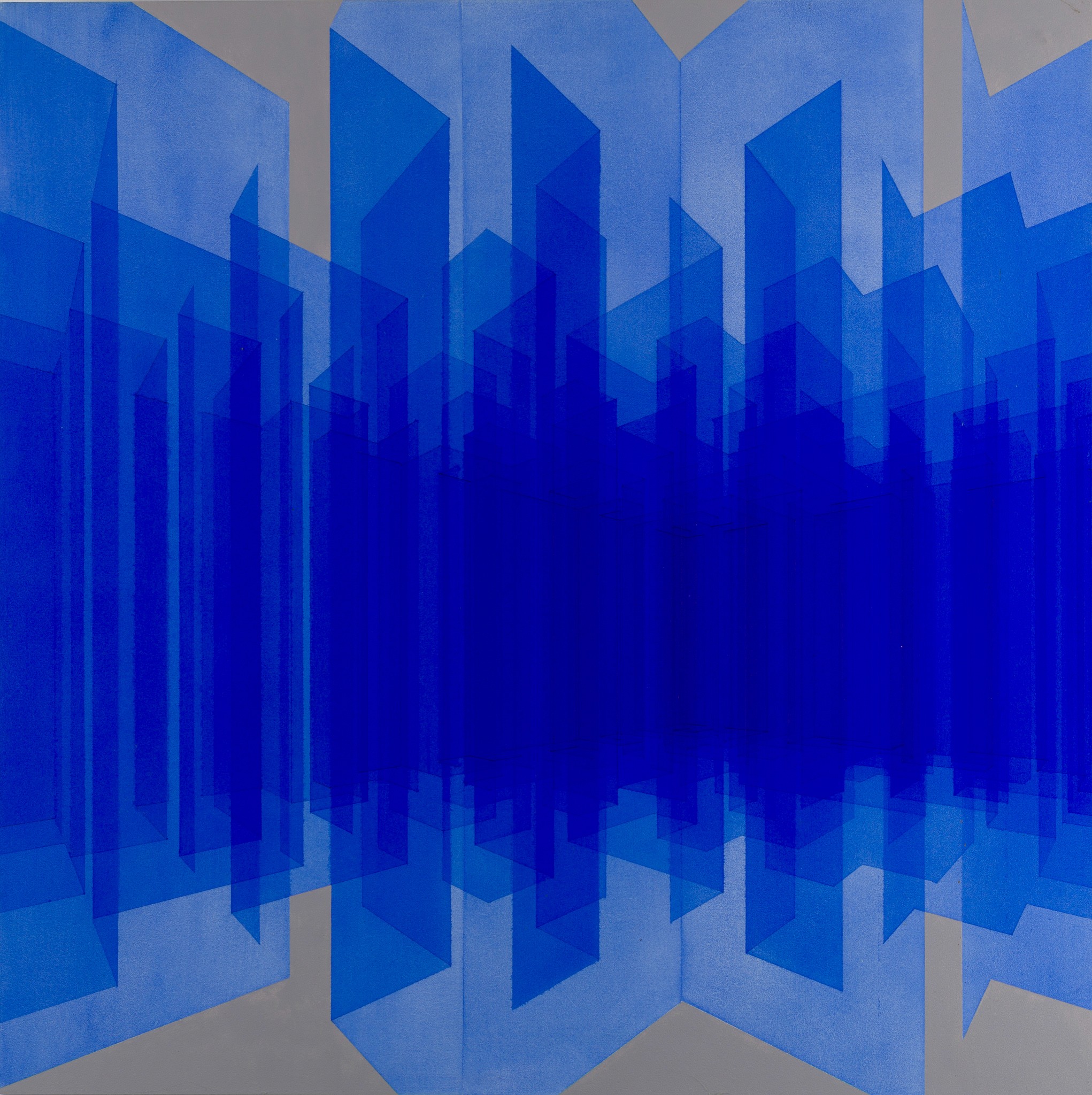
Screen prints in which the superimposition, transparency, and repetition of geometric forms alter the perception of the plane and create effects of depth, rhythm, and movement.
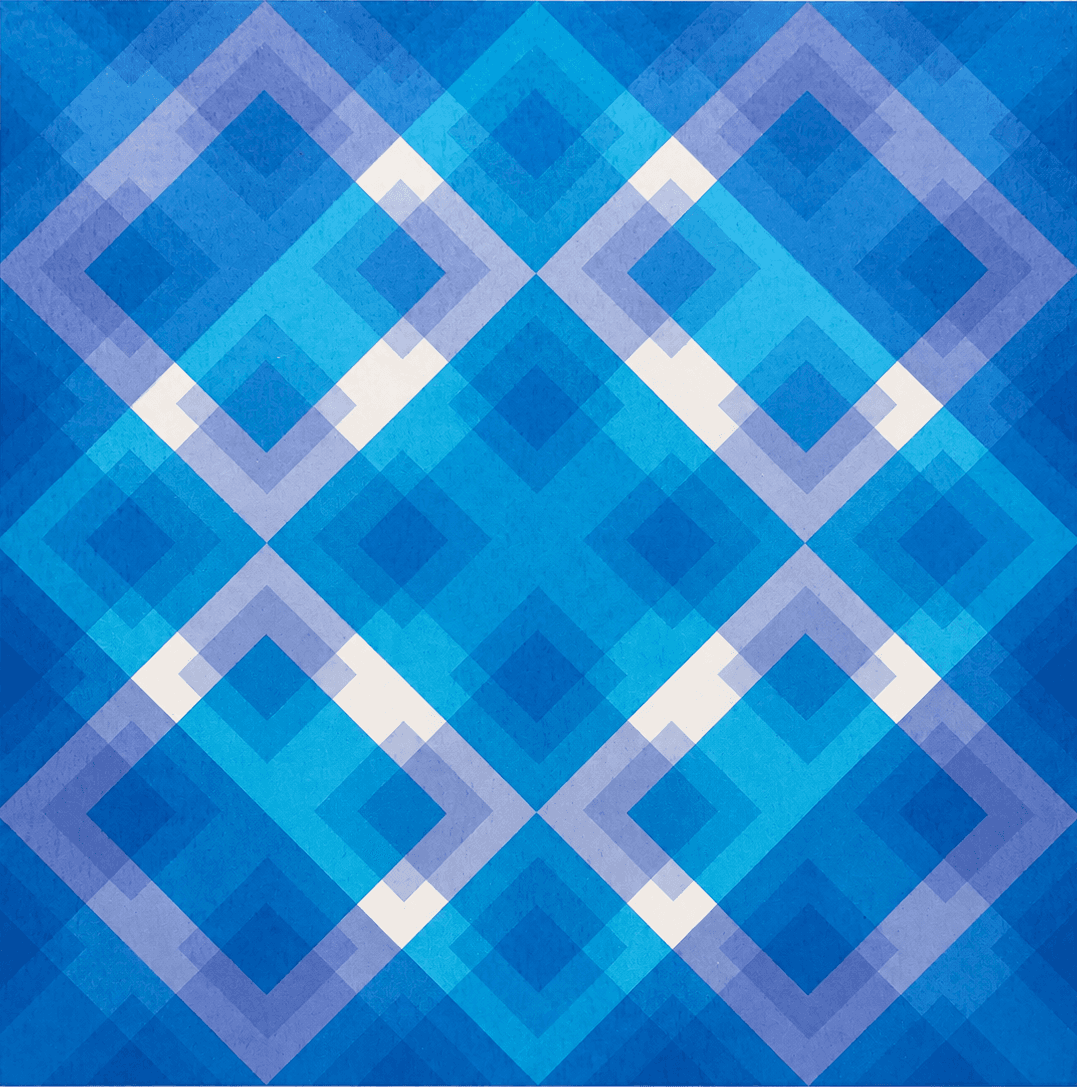
My work explores what is most fascinating about visual perception, but also what is most uncertain.
Optical illusions are proof of this: they reveal both the richness of our vision and its limitations. They shift our points of reference, deceive our senses, and sometimes make us see what does not exist — or perceive differently what is nevertheless very real.
As an interior architect, I approach painting as a space to be constructed.
Through color, geometry, and the repetition of forms, I create visual disruptions that play with the eye. I am drawn to that moment when our certainties begin to waver and we start to doubt what we see.
Beyond the optical play, my practice examines the gap between perception and reality. It invites us to question our visual habits and, by extension, some of our ideas, principles, and certainties.
This exploration unfolds both on flat surfaces and in three-dimensional works.
Color becomes a true tool for construction, transformation, and deconstruction. Through variations in hue, lightness, and intensity, as well as through interactions between colors, it alters the way we read planes and volumes.
A virtual, almost fictional space then seems to emerge beyond the material reality of the work. Color therefore plays a dual role: it structures what we believe we recognize while simultaneously unsettling what we believe we see.
In open structures, void, light, and cast shadows in turn become integral elements of the work. The work is never perceived in exactly the same way: it changes with its environment, the light, our viewing angle, and our movement.
My works therefore do not offer a fixed image, but a visual experience in motion. They invite us to take the time to look, to change our point of view, and to question what we see — or believe we see.